KANG CHAE YEON 강채연

Sung Kyun Kwan University
성균관대학교
Senior Researcher 책임연구원
강채연은 성균관대학교 정치학박사다. 전공은 국제정치이며 주요 연구분야는 북한정치경제, 남북관계, 통일정책, 사회통합이다. 성균관대학교에서 석사, 박사학위를 받았고, 서울대학교 통일평화연구원, 통일연구원에서 근무한 경험이 있다.
최근논문 및 저서로는 “1950년대 북한 전쟁고아정책: 혼돈의 시기, 그 너머(2021)”, “광복 75년사 북한 보훈정책의 변천: 공백과 접점(2020)”, “김정은 시대 관광산업의 국제화전략과 협력의 선택적 이중구조(2020)”, “북한여성노동력의 경제적 의미와 인권(2020)”,
『남에서 북을 다시보다(2020)』,
『북한 선군정치와 관료적 시장경제(2019)』등이 있다.
Chaeyeon Kang is the doctor of political science. His major is are international politics and his main area of research interest are North Korean political economy, inter-Korean relations, unification policy, and social integration. His recent articles include “North Korea's War Orphan Policy in The 1950s: A Period of Chaos, Beyond(2021)”, “The Transition of North Korean ‘Patriots and Veterans’ Institution According to the 75-Years of Liberation : Gap and Contact Point(2020)”, “Internationalization Strategy of Tourism Industry and Selective Double Structure of Cooperation in the Kim Jong-un Regime(2020)”, “Economic Meaning and Human Rights of North Korean Women's Labor(2020)”, “See North Korea Again in South Korea(2020)”, “North Korea's Military-first Politics and ‘Bureaucratic Market Economy’(2019)”.
Chaeyeon Kang is the doctor of political science. His major is are international politics and his main area of research interest are North Korean political economy, inter-Korean relations, unification policy, and social integration. His recent articles include “North Korea's War Orphan Policy in The 1950s: A Period of Chaos, Beyond(2021)”, “The Transition of North Korean ‘Patriots and Veterans’ Institution According to the 75-Years of Liberation : Gap and Contact Point(2020)”, “Internationalization Strategy of Tourism Industry and Selective Double Structure of Cooperation in the Kim Jong-un Regime(2020)”, “Economic Meaning and Human Rights of North Korean Women's Labor(2020)”, “See North Korea Again in South Korea(2020)”, “North Korea's Military-first Politics and ‘Bureaucratic Market Economy’(2019)”.
남에서 북을 다시보다 - 탈북 박사들이 보는 북한의 보훈 - 보훈문화총서 4
이철, 현인애, 강채연, 채경희, 엄현숙 (지은이), 보훈교육연구원 (기획)
모시는사람들 | 2020년 12월
북한 선군정치와 '관료적 시장경제'
강채연 (지은이) 도서출판선인(선인문화사) | 2019년 06월
=====


9
이전
다음


책소개
우리나라 보훈정책을 연구하는 보훈교육연구원이 보문문화의 창달과 이를 통한 국민 복지와 행복 증진에 이바지하고 보훈의 근본 취지를 살리는 한편으로 한반도의 통일에 이바지하는 보훈의 미래상을 구현하기 위하여 간행하는 ‘보훈문화총서’ 제4권이다.
이 책(제4권)은 우리와 ‘보훈’을 매개로 하여 대척점에 서 있다고 여겨지는 북한의 보훈 현황을 탈북민 출신 연구자(박사)들이 집중적으로 조명한 글을 실었다. 북한의 보훈 역시 일제강점기의 항일투쟁에서부터 6.25를 거쳐, 그리고 전쟁 이후는 체제 수호와 사회주의 북한 건설에 이바지한 사람을 예우하고 그 과정에서 희생된 이들의 유족들을 보살피는 데 초점이 맞춰져 있다. 유
일 지도 체제라는 북한 체제의 속성에서 기인하는 특수성과 함께 남북 대치 상황이라는 점에서 기인하는 ‘남과 북의 보훈의 이질성’에도 불구하고 통일 조국을 지향하는 남과 북의 보훈은 만날 수 있는 지점이 있고, 반드시 만나고, 공존과 조화의 묘를 찾아가야 한다는 점에서, 북한의 보훈 제도와 정책의 이해는 핵심적인 과제임을 밝혀 주고, 그 이해에 도달할 수 있도록 인도하는 글들을 수록하였다.
접기
목차
간행사 _ 이찬수
서문 _ 윤승비
북한 보훈정책의 모든 것 _ 이철
1. 보훈의 함의
2. 보훈정책
3. 보훈대상
4. 보훈의 종류
5. 보훈과 선물
6. 보훈기관
7. 보훈 절차
8. 보훈을 위한 물질적 시스템
북한의 보훈: 정치적 보상 _ 현인애
1. 북한의 보훈법과 보훈처
2. 북한 보훈과 정치적 보상
3. 간부와 보훈
4. 보훈의 꽃: 만경대혁명학원
5. 북한의 보훈처, 노동당
6. 변하는 정치적 보상 제도
7. 시장화와 정치적 보상
8. 정치적 보상 제도의 미래
북한 보훈제도: 어제와 오늘, 그리고 내일 _ 강채연
1. 광복 75주년을 맞으며
2. 사회보장(保障)정책의 패러다임
3. 사회보상(補償)정책과 의미
4. 사회적 합의 체계의 구조화
5. 남북보훈의 공백과 접점을 찾아서
북한의 보훈과 제재, 법제는 현실 적합한가
: 믿을 수 있는 자와 믿을 수 없는 자의 구분_ 채경희
1. 들어가며
2. 보훈대상자의 발굴과 선택
3. 제재 대상의 분류와 조치
4. 법제의 현실 적합성
5. 나가며
북한의 보훈과 영웅 상징화 _ 엄현숙
1. 왜 북한의 보훈인가?
2. 구조와 행위, 그리고 결의
3. 영웅을 필요로 하는 사회
4. 영웅 상징화 방식
5. 왜 평화롭지 않을까?
6. 다시 평화를, 보훈을 보다
접기
저자 소개
지은이: 이철
저자파일 신간알리미 신청
최근작 : <통일로 가는 보훈>,<남에서 북을 다시보다> … 총 2종 (모두보기)
국가안보전략연구원 책임연구위원 / 보훈교육연구원 객원연구원으로 활동하고 있으며, 주요저서로는 『통일건축을 말하다: 북한, 그리고 우리의 건축』(2020)이 있다.
지은이: 현인애
저자파일 신간알리미 신청
최근작 : <메이드 인 코리아 북한을 휩쓸다>,<남에서 북을 다시보다> … 총 2종 (모두보기)
이화여자대학교 초빙교수 / 통일연구원 객원연구위원을 역임하였으며, 현재 보훈교육연구원 객원연구원으로 활동하고 있다.
지은이: 강채연
저자파일 신간알리미 신청
최근작 : <남에서 북을 다시보다>,<북한 선군정치와 '관료적 시장경제'> … 총 2종 (모두보기)
필자는 성균관대학교 대학원에서 정치외교학과를 졸업하고 정치학 석·박사 학위를 받았다. 전공은 국제정치이며 연구의 주요 관심분야는 남북관계, 북한정치경제, 통일정책, 사회통합 등이다. 현재 서울대학교 통일평화연구원 인문한국(HK) 연구교수로 재직 중이며 성균관대학교 겸임교수로 활동하고 있다. 주요 논문으로는 북한 권력승계의 주기모델과 북한체제의 작동원리(2018, 공저), 북한 경제체제속성의 재조명: ‘관료적 시장경제’(2018), ?북한 경제체제전환을 위한 제도적 조건과 문제점에 관한 연구(2018, 공저), 김정은 시대 비핵화·경제발전 병진노선의 딜레마: 선군정치의 덫(2018), 북한이탈주민들의 ‘정체성의 이주’ 패러다임에 관한 연구(2018), 통일시대 ‘신북북갈등’에 대한 논의와 해소방안에 관한 연구 등이 있다.
지은이: 채경희
저자파일 신간알리미 신청
최근작 : <남에서 북을 다시보다> … 총 1종 (모두보기)
총신대학교 기독교교육과 교수 / 총신대학교 평화통일연구소 소장을 역임하고 있으며, 2021학년도에 개설될 평화통일개발대학원 설립을 추진하고 있다.
지은이: 엄현숙
저자파일 신간알리미 신청
최근작 : <통일과 평화 그리고 북한>,<12개 렌즈로 보는 남북관계>,<통합 그 이후를 생각하다> … 총 10종 (모두보기)
북한학 박사(북한대학원대학교) / 현 북한대학원대학교 심연북한연구소 연구원 / 대표 논저: 『12개 렌즈로 보는 남북관계』(공저), 『마음 속 분단 어떻게 극복할 것인가』(공저), 『‘지식경제시대’ 북한의 대학과 고등교육』(공저), “팬데믹 시대의 북한이탈주민 자녀의 교육격차에 관한 연구: 통일전담교육사와의 심층 인터뷰를 중심으로”(논문), “간접 경험을 통한 대학생의 북한 인식 연구”(논문), “남북한 여대생의 통일인식에 관한 연구”(논문), “정보화 시대 북한의 사이버 교육에 관한 연구”(논문) 등
기획: 보훈교육연구원
저자파일 신간알리미 신청
국가보훈처 산하 한국보훈복지의료공단 소속기구로서, 독립·호국·민주의 가치를 위해 공헌한 국가유공자의 삶과 정신을 선양하며, 유공자를 포함한 국민에게 복지와 의료서비스가 올바로 제공되도록 다양한 정책을 제시함으로써, 통합된 국가공동체를 만들기 위해 교육하고 연구합니다. 이를 통해 우리 사회에서 보훈문화가 더 확산되도록 하는 길에 앞장서고 있습니다.
출판사 제공 책소개
북한의 보훈 제도의 실상을 이해하고, 남북한 보훈의 접점을 모색한다
탈북민 박사들이 그들의 경력으로 남북 화합에 이바지하는 길을 찾는다
우리나라의 보훈 제도가 크게 ‘독립’ ‘호국’ ‘민주’라는 세 영역으로 구성되는 데서도 알 수 있듯이 보훈의 핵심은 통일된 민족국가의 건설과 민족공동체의 공동번영에 그 궁극적인 가치를 두고 있다. 그러나 우리는 6.25라는 동족상쟁의 대 참화를 겪고도 남과 북이 여전히 적대적인 태도를 완전히 불식시키지 못한 채 대치하고 있다.
보훈이라는 과제와 보훈대상자의 대다수는 남북한 간의 전쟁과 대치 상황에서 발생한 사례인 만큼, 남과 북은 특히 ‘보훈’에 관한 한 경쟁관계이거나 적대관계에 놓여 있다는 것이 그동안의 선입견이자 건널 수 없는 강처럼 여겨지기도 했다. 그런 만큼 남과 북이 각각 상대방의 보훈 정신과 보훈정책에 대해서는 무관심하거나 무시하기, 또는 적대적인 시각으로 바라보기에 익숙해져 있는 것 또한 사실이다.
이러한 문제의식 하에서 우선은 북한 보훈 정책의 실상을 개괄하고, 그 특징을 전면적으로 파악하는 것이 선행되어야 할 것이다. 이를 위해 이 책에서는 북한 보훈제도의 성립과 역사적인 변천 과정, 그것의 함의와 북한 사회 내에서 그것이 실질적으로 작동하는 메커니즘과 실제 사례들을 낱낱이 살펴보고 있다. 이러한 과정을 통해 남과 북이 지속적으로 성장시켜 온 남북 화해와 평화-통일의 환경을 성숙시켜 가기 위해서 남과 북이 공히 각자의 ‘보훈’의 가치와 기준을 재정립할 수 있는 여지를 모색하는 것도 이 책의 과제이자 미덕이다.
보훈은 그 사회의 가장 근간을 이루는 ‘공동체적 가치’에 뿌리를 두고 있는 만큼, 남과 북이 화해와 통일을 모색하는 과정에서 서로의 보훈제도를 이해하는 것은 가장 긴요한 일이라 할 수 있다. 그것은 남과 북의 보훈제도의 공통점을 찾은 일보다 더 의미 있고, 흥미로운 일이기도 하다. 이 책을 시작으로 북한 보훈제도의 어제와 오늘, 그리고 내일에 대한 연구가 더욱 활성화될 것으로 시대한다.
■ 독자 서평
따뜻하고 든든한 ‘평화-보훈’의 길
- 보훈교육연구원의 ‘보훈문화총서’(전7권) 간행에 부쳐 -
오항녕(전주대 교수)
보훈? 그게 뭐지?
보훈교육연구원(원장 이찬수)이라는 곳이 있다. 국가보훈처 산하이자 한국보훈복지의료공단에 소속된 공공기관이다. 여기서 작지 않은 분량의 책들이 나왔다. 이른바 ‘보훈문화총서’인데, 7권이나 된다. 이건 1차 출간이고, 올해 2차로 7권을 또 낸다고 한다. 국가보훈처도 낯선데, 그 소속기관인 보훈교육연구원은 더 낯설리라.
보훈? 그게 뭐지? 일상적으로 만나기 어렵고 어색하지만, 대략 전쟁에서 죽은 사람에게 훈장 주고 그러는 거 아닌가, 라고 생각하는 분 많을 것이다. 나아가 ‘보훈문화’라고 하면? 보훈에도 문화라는 걸 붙이나, 하는 분들 역시 꽤 있을 것이다. 이해가 간다. 나 역시 마찬가지였다. 국립묘지가 연상되거나 군인들에 대한 보상을 하는 곳 정도로 생각하던 국가보훈처가 관심의 언저리에 들어온 지는 얼마 되지 않는다.
보훈에 대한 기억
2017년, 5.18 하루 전날, 피우진 중령이 장관급으로 격상된 보훈처 처장으로 임명되었다. 대위 시절, 여군 부사관을 술자리로 불러낸 상관의 명령을 받고 전투복을 입혀 보냈다는 일화로 알려진 분이었다. 그 일로 피우진 중령은 내게 대장 같은 중령으로 다가왔다. 이명박 정부 시절 광주민주화운동 기념식에서 임을 위한 행진곡조차 부르지 못하게 했던 일을 기억하기에 피우진 중령의 보훈처장 임명은 시대 변화의 상징으로 받아들여졌다.
이후 국가보훈처는 시대에 걸맞은 변화를 위해 대대적인 노력을 기울였다. 2018년, 안팎의 힘을 모으기 위해 조직된 것이 ‘국민중심 보훈혁신위원회’였고, 거기 참여하여 부족한 역량이나마 보탤 수 있었다. 보훈처의 혁신 과제를 정리하고 그걸 보훈처 담당자들과 협의하여 개선 방향을 찾아나가는 자리였다.
혁신위원들은 한 나라에서 보훈이 사회적 가치와 비전을 담는 중요한 일이라는 것을 알게 되었고, 직원들은 보훈처 혁신이 그들의 자긍심으로 이어질 수 있음을 깨달았다. 마치 국방부 출장소 같은 부처 환경에서도 꾸준히 개혁을 위해 노력했던 분들이 적지 않았다. 그렇게 곪거나 취약한 부분은 새 살이 돋아나고 있었다.(이 활동의 결과는 1) 보훈처 위법 및 부당행위 재발 방지, 2) 독립운동 보상과 예우, 3) 공정성과 형평성 강화, 4) 보훈처 위상과 역량이라는 네 부문에서 권고안으로 정리되었다.)
시민 곁으로 돌아온 보훈
보훈교육연구원의 이번 총서는 위 권고안의 이론적 기초의 성격을 띤다. 조금 더 자세히 알아보자. 보훈(報勳)은 ‘공훈에 보답한다’는 뜻이다. 「국가보훈기본법」의 표현을 가져오면, “국가를 위하여 희생하거나 공헌한 사람의 숭고한 정신을 선양하고 그와 그 유족 또는 가족의 영예로운 삶과 복지향상을 도모하며 나아가 국민의 나라사랑정신 함양에 이바지”하는 행위이다(제1조). 보훈은 네 가지 범주로 이루어진다. ‘독립’, ‘호국’, ‘민주’라는 세 범주에 ‘사회공헌’까지 보태 넷이다. 이번에 발간된 1차 ‘보훈문화총서’의 제목과 목차를 보면 현재 보훈을 고민하는 지점을 알 수 있다.
먼저 7권의 제목을 소개하면 다음과 같다: ① 『복지로 읽는 보훈』, ② 『보건으로 읽는 보훈』, ③ 『보훈의 여러 가지 얼굴』, ④ 『남에서 북을 다시 보다: 탈북 박사들이 보는 북한의 보훈』, ⑤ 『통일로 가는 보훈』, ⑥ 『보훈3.0: 시민과 함께 보훈 읽기』, ⑦ 『가족과 함께 하는 보훈』.
일반인을 위한 보훈 관련 단행본이 없다시피 한 상황에서 어느 하나 의미 없는 책은 없다. 그 중에서도 제4권은 돋보인다. 목차는 다음과 같다:
○ 북한 보훈 정책의 모든 것(이철)
○ 북한의 보훈: 정치적 보상(현인애)
○ 북한 보훈제도: 어제와 오늘, 그리고 내일(강채연)
○ 북한의 보훈과 제재, 법제는 현실적합한가(채경희)
○ 북한 보훈과 영웅 상징화(엄현숙)
위 필자들은 전부 한반도의 통일을 위해 연구와 강의로 헌신하고 있는 탈북자들이다. 탈북 연구자들이 ‘북한보훈론’을 소개했다니, 남과 북의 대결 구도로 탄생한 보훈제도가 다시 남북 간 통합에 기여할 수 있다는, 아니 기여해야 한다는 역설적인 사실을 잘 보여준다.
이어서 통일연구원과 공동 기획하여 출판한 제5권 『통일로 가는 보훈』도 의미 있고 무게감 있게 다가온다. 그 뿐 아니라 이번 총서는 복지(제1권)와 보건(제2권)을 포함해 법, 정치, 사회, 교육 등 여러 분야에서 한국 보훈의 전반적 현실을 분석하고 대안도 모색하고 있다. 각계의 전문가 30명 이상이 참여한 전례 없는 출판물이다. 해본 분은 알겠지만, 이 정도의 책을 만드는 것 자체가 쉽지 않은 일이다.
고민의 흔적들
격동, 격변, 다사다난이라는 말조차 불경스러운 지난 100년 이 땅의 역사를 돌아볼 때 보훈의 개념과 정의, 새로운 비전을 찾는 데 어찌 고민이 없었을까? 인간의 가치와 정치이념이 부딪히고, 낡은 철학과 새로운 전망도 긴장을 형성하였다.
이 땅의 역사는 보훈의 주요 가치들인 독립, 호국, 민주 혹은 사회공헌의 실제 내용이 서로 충돌하기도 하였다. 예를 들어, 북한과의 전쟁 경험에서 출발한 ‘호국’의 가치와 다원성을 중시하는 대북 포용적 ‘민주’의 가치가 부딪힐 수 있다. 이뿐이랴, 해방공간에서의 독립과 호국, 70년대의 호국과 민주, 나아가 현재의 민주와 사회공헌에 이르기까지 흐릿하거나 대립하는 여건에 대한 성찰이 필요한 주제는 곳곳에 놓여 있었다.
하나 더 덧붙이면, 공훈에 보답하는 주체가 ‘국민’이라기보다는 ‘국가’라는 인식이 강하다는 것도 문제다. 이는 「국가보훈기본법」의 탓이 크다. 거기에는 ‘국가와 지방자치단체가 보훈정책을 시행하고 국민은 그에 협력해야 한다’는 취지로 보훈이 정의되어 있다. 이상한 방식의 국민 소외가 일어나고 있는 것이다. 나나 독자들께서 보훈이 멀게 느껴진 건 우연이 아니었다. 보훈과 국민의 눈높이를 맞추는 것은 당연한 의무일 수밖에 없다.
평화로운 사회를 위한 보훈
이런 고민과 시도가 어찌 한 번에 답을 찾겠는가. 답을 찾았다면 오히려 이상할 것이다. 다만, 이번 1차 ‘보훈문화총서’를 관통하는 희망이랄까, 나침반은 있는 듯하다. 획일적 범주에 갇히지 말고 인간의 아픔에 공감할 줄 아는 보편적 인류애를 다시 불러내는 것, 그걸 한 마디로 하면 ‘보훈의 평화-모델’일 것이다. 제4권과 5권에서 적대적 대북관계를 넘어서려는 시도를 한 것도 그 예이다. 굳이 그 부분만이 아니더라도, 인간의 평화는 무엇보다 몸의 건강, 관계의 따뜻함, 마음으로 느끼는 든든함, 미래에 대한 안정감에서 온다. 보훈이 그런 다정다감한 평화의 모습을 띠고 있음을 보여주려고 한 점만으로도 이번 총서의 가치는 넉넉하지 않을까.
보훈의 이미지가 우리 국민들에게 멀게 느껴지고, 심지어 정치군인들의 전유물처럼 생각하는 분들도 있다. 그러다보니 시민들을 위한 보훈 소개 단행본도 거의 없다.?두텁지 않게 들고 다니며 볼 수 있게 만든 것도 장점이다. 이를 계기로 서로 보듬고 따뜻하게 위로하는 평화의 보훈이 시민들의 일상에서 느껴졌으면 좋겠다.
접기
====
책소개
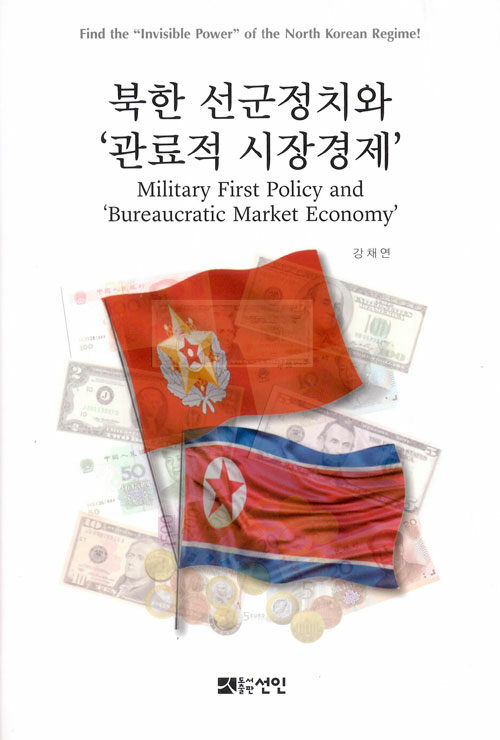
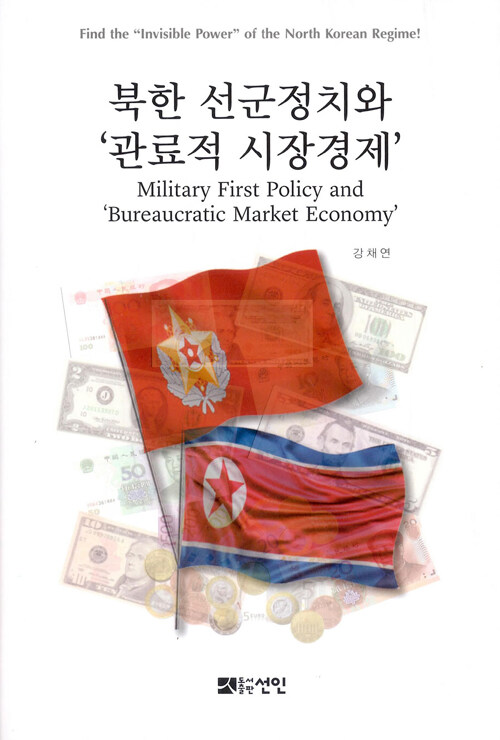
1990년대 이후에서 현재까지를 배경으로, 이른바 북한정치경제를 움직이는 ‘보이지 않는 힘’의 세계를 재조명한 책이다. 자생적인 생존법칙이 만들어낸 시장화, 그리고 시작된 선군정치, 그에 따른 정치·경제·사회문화적 다양성이 융합되는 과정들에서의 메커니즘이 생생하게 분석된다.
이 과정들에서의 경제구조와 속성을 통합적으로 설명할 수 있는 이론적 모델로 ‘관료적 시장경제’를 제기한다. 나아가 자본과 권력, 통제와 저항, 부패와 이익의 상호작용 속에서 발생하는 충돌·담합·배제, 여기에 내재된 북한경제의 ‘보이지 않는 힘’을 역설적으로 드러낸다.
접기
목차
서문
제1부 서론
제1장 문제제기와 연구내용
1. 주요 주장
2. 연구목적
3. 연구방법과 내용
제2장 선행연구 검토 및 평가
1. 북한 경제의 다중 기획구조에 따른 논쟁
2. 북한 시장변화에 대한 기존 연구 평가
1) 제도경제학적인 접근과 평가
2) 정치경제학적인 접근과 평가
3) 체제전환국들의 경제개혁과 북한 비교
제2부 북한 경제체제의 통합적 설명 모델
제1장 경제체제전환이론과 북한 적용가능성
1. 경제체제와 경제체제전환이론
2. 경제체제전환이론의 북한 적용가능성
3. 북한 경제체제변화에 지속되는 논쟁들
제2장 ‘관료적 시장경제’ 모델 제기
1. ‘관료적 시장경제’ 모델의 이론적 배경
2. ‘관료적 시장경제’ 모델의 유형과 특징
3. 북한의 억압적인 ‘관료적 시장경제’ 특징
제3부 관료적 시장경제의 등장 (선군정치 1기)
제1장 선군정치의 출현과 시장의 병존
1. 선군정치의 의미와 평가
2. 선군정치의 구분, 시장의 병존
1) 선군정치 1기(1995~2011)7
(1) 전기(1995~2001)
(2) 후기(2002~2011)
2) 선군정치 2기(2012~현재)
제2장 관료적 시장경제의 형성과 등장
1. 비공식 시장의 형성과 선군정치의 결합
1) 비공식·공식 시장의 개념과 범주
2) 비공식 시장의 형성과 통제메커니즘
(1) 비공식 시장과 경제분권화
① 비공식시장의 형성
② 경제 분권화와 기업의 비공식 시장 침투
③ 기업의 비공식 시장 침투 사례
(2) 비공식 시장에 대한 당국의 대응
① 새로운 통제기구들의 출현
② 비공식 시장과 통제 메커니즘 결합
3) 비공식 시장과 선군정치 결합
(1) 군부의 비공식 시장 침투
(2) 군부의 비공식 시장 침투 부작용
2. 관료적 시장경제의 등장
1) 새 경제정책과 국영기업·시장의 대응
(1) 7.1 조치와 종합시장 현실화
① 7.1 새 경제관리조치
② 종합시장의 현실화
(2) 국영기업·시장의 대응과 한계
① 국영기업과 시장의 대응
② 당국의 대응과 한계
2) 관료적 시장경제의 등장과 메커니즘
(1) 관료적 시장경제의 등장
(2) 관료적 시장경제의 현실적 작동구조
제4부 관료적 시장경제의 확산 (선군정치 2기)
제1장 실리 경제정책과 관료적 시장경제의 확산
1. 선군정치·선군경제·선군통제의 가속화
2. 6.28 경제 관리방법 제시, 그 한계
3. 관료적 시장경제의 확산
1) 부동산시장
2) 건설시장
3) 사교육시장
4) 반도체시장, 기타 서비스업시장
제2장 관료적 시장경제의 확산요인
1. 당국과 시장의 반사효과와 이익
2. 핵·경제발전병진(竝進)노선의 유인과 효과
3. 선군경제건설노선의 패러독스(Paradox)
제5부 평가와 전망
제1장 선군정치와 시장경제의 병존(竝存) 모순
제2장 북한 관료적 시장경제의 도전요인
참고문헌
찾아보기
접기
저자 소개
지은이: 강채연
저자파일 신간알리미 신청
최근작 : <남에서 북을 다시보다>,<북한 선군정치와 '관료적 시장경제'> … 총 2종 (모두보기)
필자는 성균관대학교 대학원에서 정치외교학과를 졸업하고 정치학 석·박사 학위를 받았다. 전공은 국제정치이며 연구의 주요 관심분야는 남북관계, 북한정치경제, 통일정책, 사회통합 등이다. 현재 서울대학교 통일평화연구원 인문한국(HK) 연구교수로 재직 중이며 성균관대학교 겸임교수로 활동하고 있다.
주요 논문으로는 북한 권력승계의 주기모델과 북한체제의 작동원리(2018, 공저), 북한 경제체제속성의 재조명: ‘관료적 시장경제’(2018), ?북한 경제체제전환을 위한 제도적 조건과 문제점에 관한 연구(2018, 공저), 김정은 시대 비핵화·경제발전 병진노선의 딜레마: 선군정치의 덫(2018), 북한이탈주민들의 ‘정체성의 이주’ 패러다임에 관한 연구(2018), 통일시대 ‘신북북갈등’에 대한 논의와 해소방안에 관한 연구 등이 있다.
접기
출판사 제공 책소개
선군정치의 역사적 의미는 무엇인가? 북한 시장화와 선군정치 사이에는 어떠한 인과관계가 존재하는가? 1990년대 이후 북한 시장화에 대한 국내외 관심이 고조되면서 학제적·다학제적 연구들이 수많이 배출되었다. 거시연구에서 미시연구로, 일차원연구에서 다차원연구로, 양적 연구에서 질적 연구로 승화되면서도 북한연구의 한계는 어디에서나 존재했다. 이미 학계의 전문가들이나 정책결정자들의 예측을 뛰어넘어 새로운 패러다임을 연속적으로 재생산해내는 북한의 정치·경제·사회적 작동 메커니즘은 그들만의 현실 속에 존재하는 특수한 “이성(理性)”이다. 그만큼 국제사회나 한반도는 지금까지의 역사적 경험들을 뛰어넘는 특수한 제도와의 ‘전쟁’에 직면하고 있다.
시장경제의 일반적 논리는 북한에도 적용될 수 있는가? 북한 시장화와 경제체제전환국들 사이의 근본적인 차이점은 무엇인가? 이 책은 1990년대 이후에서 현재까지를 배경으로, 이른바 북한정치경제를 움직이는 ‘보이지 않는 힘(invisible power)’의 세계를 재조명한다. 자생적인 생존법칙이 만들어낸 시장화, 그리고 시작된 선군정치, 그에 따른 정치·경제·사회문화적 다양성이 융합되는 과정들에서의 메커니즘이 생생하게 분석된다. 그리고 이 과정들에서의 경제구조와 속성을 통합적으로 설명할 수 있는 이론적 모델로 ‘관료적 시장경제(Bureaucratic Market Economy)’를 제기한다. 나아가 자본과 권력, 통제와 저항, 부패와 이익의 상호작용 속에서 발생하는 충돌(collision)·담합(collusion)·배제(exclusion), 여기에 내재된 북한경제의 ‘보이지 않는 힘’을 역설적(逆說的)으로 드러낸다.
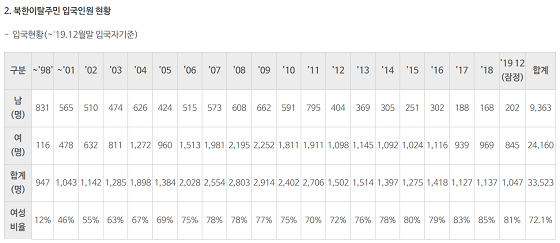
북한을 다룬 책이 쏟아지고 있다. 알라딘의 [국내도서 > 사회과학 > 통일/북한관계] 분류하에만도 2020. 5. 22. 현재 2,106개의 상품이 등록되어 있고(90년대 이전 책 중에 등록되지 않은 상품도 많을 것이고, 다른 여러 카테고리에 흩어져 있는 책도 있다), 매월 단행본이 10권 꼴로는 꾸준히 등록되는 것 같다. 이전과 다른 것은, 이데올로기적 경쟁 대상 내지 당위적 실천의 지향으로서 북한과 통일을 바라보는 것이 아니라, 북한의 실상 자체(인권 문제를 포함하여)를 있는 그대로 바라보려는 노력이 늘어났다는 점이다(경쟁은 이미 끝났다고 생각하지만 북한을 못 잡아먹어서 안달인 세력이야말로 북한 없이는 죽고 못 살고, 북한을 여전히 진지하게 경쟁상대로 의식하고 있는 것 같다). 북한이탈주민을 주위에서 많이 볼 수 있게 된 영향도 있을 것이다. 통일부 집계에 따르면, 2000년대에는 연간 입국 인원이 2,000명~3,000명에 이르렀으나, 최근 들어서는 연 1,000명대로 줄어있다. 김정은 집권 후 국경통제가 늘어난 영향도 있을 테고, 이 책에 나오는 것처럼 개인의 경제활동과 재산 사유화를 어느 정도 용인하면서 살 만하게 된 사람들이 늘어서일 수도 있다. 이탈주민 다수가 중국에서 잠복기를 가진 뒤에 남한으로 온다는 점을 고려하면 당분간 입국자는 더 줄어들지도 모르겠다. 아무튼 2019년 말까지 북한이탈주민 3만 3천여 명이 남한에 와서 살고 있다. 인구가 늘면서 북한이탈주민 사이에 사기(詐欺), 동업 실패 등 분쟁도 늘고 있다. [통일부 > 주요 사업 > 북한이탈주민정책 > 현황 > 최근현황] https://www.unikorea.go.kr/unikorea/business/NKDefectorsPolicy/status/lately/
최근 전 세계적으로 '난민 문제'가 이슈가 되다 보니, 다른 나라 사람들에게 '남한에도 북한 주민이 3만 명 넘게 살고 있다'는 이야기를 하면 깜짝 놀라며 난민 지위를 부여받는 것인지부터 묻는다. 우리 헌법상 북한도 대한민국 영토이고, 따라서 북한 주민도 특수한 지위를 인정받기 때문에, 법률(「북한이탈주민의 보호 및 정착지원에 관한 법률」)에 따라 국정원 조사를 거쳐 보호 여부를 결정한 뒤 하나원에서 사회적응교육을 받고, 직업훈련과 생계급여도 받는다는 이야기를 해주면 무척 신기해 한다. 우리가 생각하는 것에 비하여 외국에서는 훨씬 더 남한과 북한을 아예 별개 나라로 생각하는 것이다. 남북이 각자 공식적으로는 통일을 지향하고 있다는 것도 모르는 경우가 많다(대한민국 헌법 제4조, 통일부 존재 등). 하나원 도서관이 정서적(+ 사상적?) 연착륙을 돕기 위하여 책을 사려깊게 갖추어 두고 있다는 이야기나, 중국 어딘가에 숨어 살다가 입국하는 경우가 많아 글말은 몰라도 입말로서 중국어는 익숙해져 입국한 탈북 젊은이들이 대학에서 중국어, 중국 관련 전공을 많이 선택하고, 호기롭게 경제학, 경영학을 전공으로 선택했다가 적응하지 못하는 경우도 있다는 이야기를 흥미롭게 듣는다.[통일부 > 주요 사업 > 북한이탈주민정책 > 현황 > 입국 및 정착과정] https://www.unikorea.go.kr/unikorea/business/NKDefectorsPolicy/status/entry/; 위키피디아 하나원 페이지(영문) https://en.wikipedia.org/wiki/Hanawon 참조.
분단 체제가 장기화되면서 교류 단절 상태가 오래 지속될 줄 알았더니, 연결, 저장매체의 발달로 남북이 서로의 실상을 간접적으로나마 꽤 접할 수 있게 되었다. 책 2장의 "한국 대중가요에 푹 빠진 평양 시민", "한국 드라마를 실시간으로 시청하는 평양 시민"에서 보는 것처럼, 상당히 많은 북한(평양) 주민들이 남한 컨텐츠를 소비하고 또 동경하는 것 같다(북한이탈주민의 강연을 들은 적이 있는데, 그 분도 지인 소개로 북한에서 남한 드라마를 숨어서 보기 시작했다고 했다). 유학 나가있는 당 간부 자제들은 웹하드, 토렌트 사이트에 가입하여 남한 영화, 드라마, 대중가요를 '불법 다운로드'하여 즐긴다(10년도 더 전에 들은 일이다). 유튜브에서 중국인 등 외국인 관광객이 북한을 여행하고 업로드한 영상을 쉽게 만날 수 있고, 심지어 북한 쪽에서 운영하는 계정들도 있는 것으로 보인다. 아무튼 책이나 영상을 보면 적어도 평양만큼은 전혀 아무 것도 없는 상태까지는 아님을 알 수 있다(생각보다 준수하다는 느낌마저 들 정도다).
미국에서도, 그게 좋은 것인지 나쁜 것인지에 대한 판단을 유보하더라도, 특히 트럼프의 카운터 파트너로서 '김정은'에 대한 관심이 늘어있다. 서점에서도 북한 관련서를 여럿 발견할 수 있었다. 국제 학술대회를 가보면 북한의 '장마당'이나 웬만큼 자율권을 갖는 '회사'들에 관한 이야기가 오간다(책 1장 "시장경제의 펌프, 장마당" 등 참조).
요컨대, 북한은 '자본주의'라고까지는 못해도 '시장경제'를, 어쩔 수 없이, 부분적으로라도 도입하고 있고, 2009년 화폐개혁 실패 후 시장에 대한 통제력은 더욱 떨어진 것으로 보인다. 게다가 대외교역 없이는 더 이상 버틸 수 없는 처지가 되어 있다(국제사회의 경제제재가 상당히 고통스러울 것이다).
이 분야 전문가는 아니지만, 조심스럽게 변화가 임박하지 않았나 생각하고 있다. 1년? 3년? 아무리 늦어도 10년 내에는 올 것이 오리라고 보고 있다. 그 때까지 저 체제가 그대로 유지될 수 있을 것 같지 않다. 독일, 베트남 등 모델이 거론되고 북한의 지하자원에 관하여 많은 기대를 거는 것 같지만, 이 책 328쪽 이하에 나오는 것처럼 과장되어 있을 가능성이 높다. 통일로 고령화 문제를 해결하기도 어려울 것으로 보인다. 북한도 늙고 있다[책에 인용된 KDI 보고서는 김두얼, 남재현, 김석진, 김영훈, 이상준, 송준혁, "남북한 경제통합 연구: 북한경제의 장기발전전략" https://www.kdi.re.kr/research/subjects_view.jsp?pub_no=13282인 것으로 보인다. 여담이지만, 최근 김정은의 신변을 둘러싸고 벌어진 해프닝으로 주성하 기자가 그런대로 믿을 만한 정보원이라고 생각하게 되었고, 그래서 이 책을 읽게 된 것이었다. 다만, 이 책은 주로 기억에 의존하여 쓴 것인지 디테일에서 빈구석이 보이고(날짜가 궁금한데 책에서 찾을 수 없다거나), 책 특성상 일일이 출처를 들 수 없는 면이 있는 것도 같지만 위와 같은 문헌을 제대로 표시하지 않은 것은 아쉽다. 그래도 지은이가 머리말에서 희망한 것처럼 "북한을 이해하는 데 대표적인 입문서"가 되기에 손색이 없다고 생각한다.].
발상을 전환하여 북한을 '에스토니아' 모델로 발전시키는 것은 어떨까. IT 기술이 격차를 빠르게 좁히는 묘책이 될 수도 있을 것 같다[최근 미국 정부 발표에 따르면 북한은 지난 2년간 암호화폐 거래소 해킹 등으로 수십억 달러를 빼돌렸다고 한다. 정상적 경제활동이 막혀있다 보니 이런 식으로 외화를 버는 것이다. 이런 것을 보면, 모르긴 몰라도 상당한 기술자 풀이 있지 않을까 생각된다. Danny Nelson, "미국 정부, '북한 암호화폐 범죄' 목록 공개", Coindesk Korea (2020. 4. 16.) https://www.coindeskkorea.com/news/articleView.html?idxno=70735; Ian Allison, "북한, 암호화폐 이용한 거래로 경제 제재 회피" Coindesk Korea (2020. 4. 9.) https://www.coindeskkorea.com/news/articleView.html?idxno=70685; Sebastian Sinclair, "North Korean Hackers Ramp Up Efforts to Steal Crypto Amid Coronavirus Pandemic," Coindesk (May 11, 2020)].
빠른 사회 동화를 위해 가장 중요한 것이 법문화의 통합이라고 생각한다. 책 전반에 나오는 것처럼 북한 사회는 현재 '뇌물의 연쇄'로 돌아가고 있고, 공동체를 위해 규범을 지킨다는 의식이나 공감대가 거의 없는 상태인 것으로 보인다(위반자들을 아무리 사형시킨다 한들, 법이 먼저 공정하고 또 일관되게 집행되지 않는 한 규범력은 결코 높아지지 않는다). 그런 면에서 평양의 법률시장 개방이 임박했다는 소식은 주목할 만하다. 북한사회에 법치주의와 법문화부터 뿌리 내리게 해야 한다. 강한, "(단독) 북한, 사실상 법률시장 개방… 법적 인프라 구축 본격화", 법률신문 (2020. 5. 18.) https://m.lawtimes.co.kr/Content/Article?serial=161567; 강한, "(단독) 한국 로펌, 평양 진출 추진", 법률신문 (2020. 5. 18.) https://m.lawtimes.co.kr/Content/Article?serial=161551 등 참조.
전 세계가 방역하느라 정신이 없는 시기이지만, 그런 때일수록 더 철저하게 대비하고 움직여야 한다. 어쩌면 많은 나라가 여력이 없는 지금이 좋은 기회일 수도 있다. 국제적 협력, 특히 미국, 일본, 중국, 러시아의 협력을 이끌어낼 수 있도록 인심을 쌓아두어야 한다. 중국경제가 어려움을 겪는 시기가 위기이자 결정적 기회가 될 가능성이 있다. 한국 채권에 외국인 투자자가 모이고 있는 것은 호재다. 결국 통일자금은 그렇게 마련해야 한다. 이미 많은 기관들이 나름의 분석과 행동전략을 마련해두고 있지만, 불현듯 닥칠 제재완화와 교류증대의 상황에 먼저 발빠르게 움직일 수 있도록 각자 처한 위치에서 만반의 준비되어 있어야 한다.
덧) 133쪽에서 137쪽까지에 나오는 '대동강맥주' 이야기, 특히 1번부터 7번까지 맥주에 대한 상세한 설명은 정말 매혹적이다. 현지에서 먹는 맛이 궁금하다!
주성하 기자는 위 책 이후에도 책을 한 권 더 내셨다.

북한의 경제와 일상...










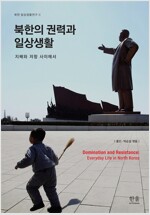
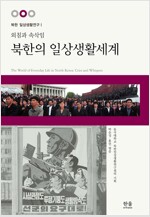

공감 (16) 댓글 (1)
9
이전
다음
책소개
우리나라 보훈정책을 연구하는 보훈교육연구원이 보문문화의 창달과 이를 통한 국민 복지와 행복 증진에 이바지하고 보훈의 근본 취지를 살리는 한편으로 한반도의 통일에 이바지하는 보훈의 미래상을 구현하기 위하여 간행하는 ‘보훈문화총서’ 제4권이다.
이 책(제4권)은 우리와 ‘보훈’을 매개로 하여 대척점에 서 있다고 여겨지는 북한의 보훈 현황을 탈북민 출신 연구자(박사)들이 집중적으로 조명한 글을 실었다. 북한의 보훈 역시 일제강점기의 항일투쟁에서부터 6.25를 거쳐, 그리고 전쟁 이후는 체제 수호와 사회주의 북한 건설에 이바지한 사람을 예우하고 그 과정에서 희생된 이들의 유족들을 보살피는 데 초점이 맞춰져 있다. 유
일 지도 체제라는 북한 체제의 속성에서 기인하는 특수성과 함께 남북 대치 상황이라는 점에서 기인하는 ‘남과 북의 보훈의 이질성’에도 불구하고 통일 조국을 지향하는 남과 북의 보훈은 만날 수 있는 지점이 있고, 반드시 만나고, 공존과 조화의 묘를 찾아가야 한다는 점에서, 북한의 보훈 제도와 정책의 이해는 핵심적인 과제임을 밝혀 주고, 그 이해에 도달할 수 있도록 인도하는 글들을 수록하였다.
접기
목차
간행사 _ 이찬수
서문 _ 윤승비
북한 보훈정책의 모든 것 _ 이철
1. 보훈의 함의
2. 보훈정책
3. 보훈대상
4. 보훈의 종류
5. 보훈과 선물
6. 보훈기관
7. 보훈 절차
8. 보훈을 위한 물질적 시스템
북한의 보훈: 정치적 보상 _ 현인애
1. 북한의 보훈법과 보훈처
2. 북한 보훈과 정치적 보상
3. 간부와 보훈
4. 보훈의 꽃: 만경대혁명학원
5. 북한의 보훈처, 노동당
6. 변하는 정치적 보상 제도
7. 시장화와 정치적 보상
8. 정치적 보상 제도의 미래
북한 보훈제도: 어제와 오늘, 그리고 내일 _ 강채연
1. 광복 75주년을 맞으며
2. 사회보장(保障)정책의 패러다임
3. 사회보상(補償)정책과 의미
4. 사회적 합의 체계의 구조화
5. 남북보훈의 공백과 접점을 찾아서
북한의 보훈과 제재, 법제는 현실 적합한가
: 믿을 수 있는 자와 믿을 수 없는 자의 구분_ 채경희
1. 들어가며
2. 보훈대상자의 발굴과 선택
3. 제재 대상의 분류와 조치
4. 법제의 현실 적합성
5. 나가며
북한의 보훈과 영웅 상징화 _ 엄현숙
1. 왜 북한의 보훈인가?
2. 구조와 행위, 그리고 결의
3. 영웅을 필요로 하는 사회
4. 영웅 상징화 방식
5. 왜 평화롭지 않을까?
6. 다시 평화를, 보훈을 보다
접기
저자 소개
지은이: 이철
저자파일 신간알리미 신청
최근작 : <통일로 가는 보훈>,<남에서 북을 다시보다> … 총 2종 (모두보기)
국가안보전략연구원 책임연구위원 / 보훈교육연구원 객원연구원으로 활동하고 있으며, 주요저서로는 『통일건축을 말하다: 북한, 그리고 우리의 건축』(2020)이 있다.
지은이: 현인애
저자파일 신간알리미 신청
최근작 : <메이드 인 코리아 북한을 휩쓸다>,<남에서 북을 다시보다> … 총 2종 (모두보기)
이화여자대학교 초빙교수 / 통일연구원 객원연구위원을 역임하였으며, 현재 보훈교육연구원 객원연구원으로 활동하고 있다.
지은이: 강채연
저자파일 신간알리미 신청
최근작 : <남에서 북을 다시보다>,<북한 선군정치와 '관료적 시장경제'> … 총 2종 (모두보기)
필자는 성균관대학교 대학원에서 정치외교학과를 졸업하고 정치학 석·박사 학위를 받았다. 전공은 국제정치이며 연구의 주요 관심분야는 남북관계, 북한정치경제, 통일정책, 사회통합 등이다. 현재 서울대학교 통일평화연구원 인문한국(HK) 연구교수로 재직 중이며 성균관대학교 겸임교수로 활동하고 있다. 주요 논문으로는 북한 권력승계의 주기모델과 북한체제의 작동원리(2018, 공저), 북한 경제체제속성의 재조명: ‘관료적 시장경제’(2018), ?북한 경제체제전환을 위한 제도적 조건과 문제점에 관한 연구(2018, 공저), 김정은 시대 비핵화·경제발전 병진노선의 딜레마: 선군정치의 덫(2018), 북한이탈주민들의 ‘정체성의 이주’ 패러다임에 관한 연구(2018), 통일시대 ‘신북북갈등’에 대한 논의와 해소방안에 관한 연구 등이 있다.
지은이: 채경희
저자파일 신간알리미 신청
최근작 : <남에서 북을 다시보다> … 총 1종 (모두보기)
총신대학교 기독교교육과 교수 / 총신대학교 평화통일연구소 소장을 역임하고 있으며, 2021학년도에 개설될 평화통일개발대학원 설립을 추진하고 있다.
지은이: 엄현숙
저자파일 신간알리미 신청
최근작 : <통일과 평화 그리고 북한>,<12개 렌즈로 보는 남북관계>,<통합 그 이후를 생각하다> … 총 10종 (모두보기)
북한학 박사(북한대학원대학교) / 현 북한대학원대학교 심연북한연구소 연구원 / 대표 논저: 『12개 렌즈로 보는 남북관계』(공저), 『마음 속 분단 어떻게 극복할 것인가』(공저), 『‘지식경제시대’ 북한의 대학과 고등교육』(공저), “팬데믹 시대의 북한이탈주민 자녀의 교육격차에 관한 연구: 통일전담교육사와의 심층 인터뷰를 중심으로”(논문), “간접 경험을 통한 대학생의 북한 인식 연구”(논문), “남북한 여대생의 통일인식에 관한 연구”(논문), “정보화 시대 북한의 사이버 교육에 관한 연구”(논문) 등
기획: 보훈교육연구원
저자파일 신간알리미 신청
국가보훈처 산하 한국보훈복지의료공단 소속기구로서, 독립·호국·민주의 가치를 위해 공헌한 국가유공자의 삶과 정신을 선양하며, 유공자를 포함한 국민에게 복지와 의료서비스가 올바로 제공되도록 다양한 정책을 제시함으로써, 통합된 국가공동체를 만들기 위해 교육하고 연구합니다. 이를 통해 우리 사회에서 보훈문화가 더 확산되도록 하는 길에 앞장서고 있습니다.
출판사 제공 책소개
북한의 보훈 제도의 실상을 이해하고, 남북한 보훈의 접점을 모색한다
탈북민 박사들이 그들의 경력으로 남북 화합에 이바지하는 길을 찾는다
우리나라의 보훈 제도가 크게 ‘독립’ ‘호국’ ‘민주’라는 세 영역으로 구성되는 데서도 알 수 있듯이 보훈의 핵심은 통일된 민족국가의 건설과 민족공동체의 공동번영에 그 궁극적인 가치를 두고 있다. 그러나 우리는 6.25라는 동족상쟁의 대 참화를 겪고도 남과 북이 여전히 적대적인 태도를 완전히 불식시키지 못한 채 대치하고 있다.
보훈이라는 과제와 보훈대상자의 대다수는 남북한 간의 전쟁과 대치 상황에서 발생한 사례인 만큼, 남과 북은 특히 ‘보훈’에 관한 한 경쟁관계이거나 적대관계에 놓여 있다는 것이 그동안의 선입견이자 건널 수 없는 강처럼 여겨지기도 했다. 그런 만큼 남과 북이 각각 상대방의 보훈 정신과 보훈정책에 대해서는 무관심하거나 무시하기, 또는 적대적인 시각으로 바라보기에 익숙해져 있는 것 또한 사실이다.
이러한 문제의식 하에서 우선은 북한 보훈 정책의 실상을 개괄하고, 그 특징을 전면적으로 파악하는 것이 선행되어야 할 것이다. 이를 위해 이 책에서는 북한 보훈제도의 성립과 역사적인 변천 과정, 그것의 함의와 북한 사회 내에서 그것이 실질적으로 작동하는 메커니즘과 실제 사례들을 낱낱이 살펴보고 있다. 이러한 과정을 통해 남과 북이 지속적으로 성장시켜 온 남북 화해와 평화-통일의 환경을 성숙시켜 가기 위해서 남과 북이 공히 각자의 ‘보훈’의 가치와 기준을 재정립할 수 있는 여지를 모색하는 것도 이 책의 과제이자 미덕이다.
보훈은 그 사회의 가장 근간을 이루는 ‘공동체적 가치’에 뿌리를 두고 있는 만큼, 남과 북이 화해와 통일을 모색하는 과정에서 서로의 보훈제도를 이해하는 것은 가장 긴요한 일이라 할 수 있다. 그것은 남과 북의 보훈제도의 공통점을 찾은 일보다 더 의미 있고, 흥미로운 일이기도 하다. 이 책을 시작으로 북한 보훈제도의 어제와 오늘, 그리고 내일에 대한 연구가 더욱 활성화될 것으로 시대한다.
■ 독자 서평
따뜻하고 든든한 ‘평화-보훈’의 길
- 보훈교육연구원의 ‘보훈문화총서’(전7권) 간행에 부쳐 -
오항녕(전주대 교수)
보훈? 그게 뭐지?
보훈교육연구원(원장 이찬수)이라는 곳이 있다. 국가보훈처 산하이자 한국보훈복지의료공단에 소속된 공공기관이다. 여기서 작지 않은 분량의 책들이 나왔다. 이른바 ‘보훈문화총서’인데, 7권이나 된다. 이건 1차 출간이고, 올해 2차로 7권을 또 낸다고 한다. 국가보훈처도 낯선데, 그 소속기관인 보훈교육연구원은 더 낯설리라.
보훈? 그게 뭐지? 일상적으로 만나기 어렵고 어색하지만, 대략 전쟁에서 죽은 사람에게 훈장 주고 그러는 거 아닌가, 라고 생각하는 분 많을 것이다. 나아가 ‘보훈문화’라고 하면? 보훈에도 문화라는 걸 붙이나, 하는 분들 역시 꽤 있을 것이다. 이해가 간다. 나 역시 마찬가지였다. 국립묘지가 연상되거나 군인들에 대한 보상을 하는 곳 정도로 생각하던 국가보훈처가 관심의 언저리에 들어온 지는 얼마 되지 않는다.
보훈에 대한 기억
2017년, 5.18 하루 전날, 피우진 중령이 장관급으로 격상된 보훈처 처장으로 임명되었다. 대위 시절, 여군 부사관을 술자리로 불러낸 상관의 명령을 받고 전투복을 입혀 보냈다는 일화로 알려진 분이었다. 그 일로 피우진 중령은 내게 대장 같은 중령으로 다가왔다. 이명박 정부 시절 광주민주화운동 기념식에서 임을 위한 행진곡조차 부르지 못하게 했던 일을 기억하기에 피우진 중령의 보훈처장 임명은 시대 변화의 상징으로 받아들여졌다.
이후 국가보훈처는 시대에 걸맞은 변화를 위해 대대적인 노력을 기울였다. 2018년, 안팎의 힘을 모으기 위해 조직된 것이 ‘국민중심 보훈혁신위원회’였고, 거기 참여하여 부족한 역량이나마 보탤 수 있었다. 보훈처의 혁신 과제를 정리하고 그걸 보훈처 담당자들과 협의하여 개선 방향을 찾아나가는 자리였다.
혁신위원들은 한 나라에서 보훈이 사회적 가치와 비전을 담는 중요한 일이라는 것을 알게 되었고, 직원들은 보훈처 혁신이 그들의 자긍심으로 이어질 수 있음을 깨달았다. 마치 국방부 출장소 같은 부처 환경에서도 꾸준히 개혁을 위해 노력했던 분들이 적지 않았다. 그렇게 곪거나 취약한 부분은 새 살이 돋아나고 있었다.(이 활동의 결과는 1) 보훈처 위법 및 부당행위 재발 방지, 2) 독립운동 보상과 예우, 3) 공정성과 형평성 강화, 4) 보훈처 위상과 역량이라는 네 부문에서 권고안으로 정리되었다.)
시민 곁으로 돌아온 보훈
보훈교육연구원의 이번 총서는 위 권고안의 이론적 기초의 성격을 띤다. 조금 더 자세히 알아보자. 보훈(報勳)은 ‘공훈에 보답한다’는 뜻이다. 「국가보훈기본법」의 표현을 가져오면, “국가를 위하여 희생하거나 공헌한 사람의 숭고한 정신을 선양하고 그와 그 유족 또는 가족의 영예로운 삶과 복지향상을 도모하며 나아가 국민의 나라사랑정신 함양에 이바지”하는 행위이다(제1조). 보훈은 네 가지 범주로 이루어진다. ‘독립’, ‘호국’, ‘민주’라는 세 범주에 ‘사회공헌’까지 보태 넷이다. 이번에 발간된 1차 ‘보훈문화총서’의 제목과 목차를 보면 현재 보훈을 고민하는 지점을 알 수 있다.
먼저 7권의 제목을 소개하면 다음과 같다: ① 『복지로 읽는 보훈』, ② 『보건으로 읽는 보훈』, ③ 『보훈의 여러 가지 얼굴』, ④ 『남에서 북을 다시 보다: 탈북 박사들이 보는 북한의 보훈』, ⑤ 『통일로 가는 보훈』, ⑥ 『보훈3.0: 시민과 함께 보훈 읽기』, ⑦ 『가족과 함께 하는 보훈』.
일반인을 위한 보훈 관련 단행본이 없다시피 한 상황에서 어느 하나 의미 없는 책은 없다. 그 중에서도 제4권은 돋보인다. 목차는 다음과 같다:
○ 북한 보훈 정책의 모든 것(이철)
○ 북한의 보훈: 정치적 보상(현인애)
○ 북한 보훈제도: 어제와 오늘, 그리고 내일(강채연)
○ 북한의 보훈과 제재, 법제는 현실적합한가(채경희)
○ 북한 보훈과 영웅 상징화(엄현숙)
위 필자들은 전부 한반도의 통일을 위해 연구와 강의로 헌신하고 있는 탈북자들이다. 탈북 연구자들이 ‘북한보훈론’을 소개했다니, 남과 북의 대결 구도로 탄생한 보훈제도가 다시 남북 간 통합에 기여할 수 있다는, 아니 기여해야 한다는 역설적인 사실을 잘 보여준다.
이어서 통일연구원과 공동 기획하여 출판한 제5권 『통일로 가는 보훈』도 의미 있고 무게감 있게 다가온다. 그 뿐 아니라 이번 총서는 복지(제1권)와 보건(제2권)을 포함해 법, 정치, 사회, 교육 등 여러 분야에서 한국 보훈의 전반적 현실을 분석하고 대안도 모색하고 있다. 각계의 전문가 30명 이상이 참여한 전례 없는 출판물이다. 해본 분은 알겠지만, 이 정도의 책을 만드는 것 자체가 쉽지 않은 일이다.
고민의 흔적들
격동, 격변, 다사다난이라는 말조차 불경스러운 지난 100년 이 땅의 역사를 돌아볼 때 보훈의 개념과 정의, 새로운 비전을 찾는 데 어찌 고민이 없었을까? 인간의 가치와 정치이념이 부딪히고, 낡은 철학과 새로운 전망도 긴장을 형성하였다.
이 땅의 역사는 보훈의 주요 가치들인 독립, 호국, 민주 혹은 사회공헌의 실제 내용이 서로 충돌하기도 하였다. 예를 들어, 북한과의 전쟁 경험에서 출발한 ‘호국’의 가치와 다원성을 중시하는 대북 포용적 ‘민주’의 가치가 부딪힐 수 있다. 이뿐이랴, 해방공간에서의 독립과 호국, 70년대의 호국과 민주, 나아가 현재의 민주와 사회공헌에 이르기까지 흐릿하거나 대립하는 여건에 대한 성찰이 필요한 주제는 곳곳에 놓여 있었다.
하나 더 덧붙이면, 공훈에 보답하는 주체가 ‘국민’이라기보다는 ‘국가’라는 인식이 강하다는 것도 문제다. 이는 「국가보훈기본법」의 탓이 크다. 거기에는 ‘국가와 지방자치단체가 보훈정책을 시행하고 국민은 그에 협력해야 한다’는 취지로 보훈이 정의되어 있다. 이상한 방식의 국민 소외가 일어나고 있는 것이다. 나나 독자들께서 보훈이 멀게 느껴진 건 우연이 아니었다. 보훈과 국민의 눈높이를 맞추는 것은 당연한 의무일 수밖에 없다.
평화로운 사회를 위한 보훈
이런 고민과 시도가 어찌 한 번에 답을 찾겠는가. 답을 찾았다면 오히려 이상할 것이다. 다만, 이번 1차 ‘보훈문화총서’를 관통하는 희망이랄까, 나침반은 있는 듯하다. 획일적 범주에 갇히지 말고 인간의 아픔에 공감할 줄 아는 보편적 인류애를 다시 불러내는 것, 그걸 한 마디로 하면 ‘보훈의 평화-모델’일 것이다. 제4권과 5권에서 적대적 대북관계를 넘어서려는 시도를 한 것도 그 예이다. 굳이 그 부분만이 아니더라도, 인간의 평화는 무엇보다 몸의 건강, 관계의 따뜻함, 마음으로 느끼는 든든함, 미래에 대한 안정감에서 온다. 보훈이 그런 다정다감한 평화의 모습을 띠고 있음을 보여주려고 한 점만으로도 이번 총서의 가치는 넉넉하지 않을까.
보훈의 이미지가 우리 국민들에게 멀게 느껴지고, 심지어 정치군인들의 전유물처럼 생각하는 분들도 있다. 그러다보니 시민들을 위한 보훈 소개 단행본도 거의 없다.?두텁지 않게 들고 다니며 볼 수 있게 만든 것도 장점이다. 이를 계기로 서로 보듬고 따뜻하게 위로하는 평화의 보훈이 시민들의 일상에서 느껴졌으면 좋겠다.
접기
====
책소개
1990년대 이후에서 현재까지를 배경으로, 이른바 북한정치경제를 움직이는 ‘보이지 않는 힘’의 세계를 재조명한 책이다. 자생적인 생존법칙이 만들어낸 시장화, 그리고 시작된 선군정치, 그에 따른 정치·경제·사회문화적 다양성이 융합되는 과정들에서의 메커니즘이 생생하게 분석된다.
이 과정들에서의 경제구조와 속성을 통합적으로 설명할 수 있는 이론적 모델로 ‘관료적 시장경제’를 제기한다. 나아가 자본과 권력, 통제와 저항, 부패와 이익의 상호작용 속에서 발생하는 충돌·담합·배제, 여기에 내재된 북한경제의 ‘보이지 않는 힘’을 역설적으로 드러낸다.
접기
목차
서문
제1부 서론
제1장 문제제기와 연구내용
1. 주요 주장
2. 연구목적
3. 연구방법과 내용
제2장 선행연구 검토 및 평가
1. 북한 경제의 다중 기획구조에 따른 논쟁
2. 북한 시장변화에 대한 기존 연구 평가
1) 제도경제학적인 접근과 평가
2) 정치경제학적인 접근과 평가
3) 체제전환국들의 경제개혁과 북한 비교
제2부 북한 경제체제의 통합적 설명 모델
제1장 경제체제전환이론과 북한 적용가능성
1. 경제체제와 경제체제전환이론
2. 경제체제전환이론의 북한 적용가능성
3. 북한 경제체제변화에 지속되는 논쟁들
제2장 ‘관료적 시장경제’ 모델 제기
1. ‘관료적 시장경제’ 모델의 이론적 배경
2. ‘관료적 시장경제’ 모델의 유형과 특징
3. 북한의 억압적인 ‘관료적 시장경제’ 특징
제3부 관료적 시장경제의 등장 (선군정치 1기)
제1장 선군정치의 출현과 시장의 병존
1. 선군정치의 의미와 평가
2. 선군정치의 구분, 시장의 병존
1) 선군정치 1기(1995~2011)7
(1) 전기(1995~2001)
(2) 후기(2002~2011)
2) 선군정치 2기(2012~현재)
제2장 관료적 시장경제의 형성과 등장
1. 비공식 시장의 형성과 선군정치의 결합
1) 비공식·공식 시장의 개념과 범주
2) 비공식 시장의 형성과 통제메커니즘
(1) 비공식 시장과 경제분권화
① 비공식시장의 형성
② 경제 분권화와 기업의 비공식 시장 침투
③ 기업의 비공식 시장 침투 사례
(2) 비공식 시장에 대한 당국의 대응
① 새로운 통제기구들의 출현
② 비공식 시장과 통제 메커니즘 결합
3) 비공식 시장과 선군정치 결합
(1) 군부의 비공식 시장 침투
(2) 군부의 비공식 시장 침투 부작용
2. 관료적 시장경제의 등장
1) 새 경제정책과 국영기업·시장의 대응
(1) 7.1 조치와 종합시장 현실화
① 7.1 새 경제관리조치
② 종합시장의 현실화
(2) 국영기업·시장의 대응과 한계
① 국영기업과 시장의 대응
② 당국의 대응과 한계
2) 관료적 시장경제의 등장과 메커니즘
(1) 관료적 시장경제의 등장
(2) 관료적 시장경제의 현실적 작동구조
제4부 관료적 시장경제의 확산 (선군정치 2기)
제1장 실리 경제정책과 관료적 시장경제의 확산
1. 선군정치·선군경제·선군통제의 가속화
2. 6.28 경제 관리방법 제시, 그 한계
3. 관료적 시장경제의 확산
1) 부동산시장
2) 건설시장
3) 사교육시장
4) 반도체시장, 기타 서비스업시장
제2장 관료적 시장경제의 확산요인
1. 당국과 시장의 반사효과와 이익
2. 핵·경제발전병진(竝進)노선의 유인과 효과
3. 선군경제건설노선의 패러독스(Paradox)
제5부 평가와 전망
제1장 선군정치와 시장경제의 병존(竝存) 모순
제2장 북한 관료적 시장경제의 도전요인
참고문헌
찾아보기
접기
저자 소개
지은이: 강채연
저자파일 신간알리미 신청
최근작 : <남에서 북을 다시보다>,<북한 선군정치와 '관료적 시장경제'> … 총 2종 (모두보기)
필자는 성균관대학교 대학원에서 정치외교학과를 졸업하고 정치학 석·박사 학위를 받았다. 전공은 국제정치이며 연구의 주요 관심분야는 남북관계, 북한정치경제, 통일정책, 사회통합 등이다. 현재 서울대학교 통일평화연구원 인문한국(HK) 연구교수로 재직 중이며 성균관대학교 겸임교수로 활동하고 있다.
주요 논문으로는 북한 권력승계의 주기모델과 북한체제의 작동원리(2018, 공저), 북한 경제체제속성의 재조명: ‘관료적 시장경제’(2018), ?북한 경제체제전환을 위한 제도적 조건과 문제점에 관한 연구(2018, 공저), 김정은 시대 비핵화·경제발전 병진노선의 딜레마: 선군정치의 덫(2018), 북한이탈주민들의 ‘정체성의 이주’ 패러다임에 관한 연구(2018), 통일시대 ‘신북북갈등’에 대한 논의와 해소방안에 관한 연구 등이 있다.
접기
출판사 제공 책소개
선군정치의 역사적 의미는 무엇인가? 북한 시장화와 선군정치 사이에는 어떠한 인과관계가 존재하는가? 1990년대 이후 북한 시장화에 대한 국내외 관심이 고조되면서 학제적·다학제적 연구들이 수많이 배출되었다. 거시연구에서 미시연구로, 일차원연구에서 다차원연구로, 양적 연구에서 질적 연구로 승화되면서도 북한연구의 한계는 어디에서나 존재했다. 이미 학계의 전문가들이나 정책결정자들의 예측을 뛰어넘어 새로운 패러다임을 연속적으로 재생산해내는 북한의 정치·경제·사회적 작동 메커니즘은 그들만의 현실 속에 존재하는 특수한 “이성(理性)”이다. 그만큼 국제사회나 한반도는 지금까지의 역사적 경험들을 뛰어넘는 특수한 제도와의 ‘전쟁’에 직면하고 있다.
시장경제의 일반적 논리는 북한에도 적용될 수 있는가? 북한 시장화와 경제체제전환국들 사이의 근본적인 차이점은 무엇인가? 이 책은 1990년대 이후에서 현재까지를 배경으로, 이른바 북한정치경제를 움직이는 ‘보이지 않는 힘(invisible power)’의 세계를 재조명한다. 자생적인 생존법칙이 만들어낸 시장화, 그리고 시작된 선군정치, 그에 따른 정치·경제·사회문화적 다양성이 융합되는 과정들에서의 메커니즘이 생생하게 분석된다. 그리고 이 과정들에서의 경제구조와 속성을 통합적으로 설명할 수 있는 이론적 모델로 ‘관료적 시장경제(Bureaucratic Market Economy)’를 제기한다. 나아가 자본과 권력, 통제와 저항, 부패와 이익의 상호작용 속에서 발생하는 충돌(collision)·담합(collusion)·배제(exclusion), 여기에 내재된 북한경제의 ‘보이지 않는 힘’을 역설적(逆說的)으로 드러낸다.
북한을 다룬 책이 쏟아지고 있다. 알라딘의 [국내도서 > 사회과학 > 통일/북한관계] 분류하에만도 2020. 5. 22. 현재 2,106개의 상품이 등록되어 있고(90년대 이전 책 중에 등록되지 않은 상품도 많을 것이고, 다른 여러 카테고리에 흩어져 있는 책도 있다), 매월 단행본이 10권 꼴로는 꾸준히 등록되는 것 같다. 이전과 다른 것은, 이데올로기적 경쟁 대상 내지 당위적 실천의 지향으로서 북한과 통일을 바라보는 것이 아니라, 북한의 실상 자체(인권 문제를 포함하여)를 있는 그대로 바라보려는 노력이 늘어났다는 점이다(경쟁은 이미 끝났다고 생각하지만 북한을 못 잡아먹어서 안달인 세력이야말로 북한 없이는 죽고 못 살고, 북한을 여전히 진지하게 경쟁상대로 의식하고 있는 것 같다). 북한이탈주민을 주위에서 많이 볼 수 있게 된 영향도 있을 것이다. 통일부 집계에 따르면, 2000년대에는 연간 입국 인원이 2,000명~3,000명에 이르렀으나, 최근 들어서는 연 1,000명대로 줄어있다. 김정은 집권 후 국경통제가 늘어난 영향도 있을 테고, 이 책에 나오는 것처럼 개인의 경제활동과 재산 사유화를 어느 정도 용인하면서 살 만하게 된 사람들이 늘어서일 수도 있다. 이탈주민 다수가 중국에서 잠복기를 가진 뒤에 남한으로 온다는 점을 고려하면 당분간 입국자는 더 줄어들지도 모르겠다. 아무튼 2019년 말까지 북한이탈주민 3만 3천여 명이 남한에 와서 살고 있다. 인구가 늘면서 북한이탈주민 사이에 사기(詐欺), 동업 실패 등 분쟁도 늘고 있다. [통일부 > 주요 사업 > 북한이탈주민정책 > 현황 > 최근현황] https://www.unikorea.go.kr/unikorea/business/NKDefectorsPolicy/status/lately/
최근 전 세계적으로 '난민 문제'가 이슈가 되다 보니, 다른 나라 사람들에게 '남한에도 북한 주민이 3만 명 넘게 살고 있다'는 이야기를 하면 깜짝 놀라며 난민 지위를 부여받는 것인지부터 묻는다. 우리 헌법상 북한도 대한민국 영토이고, 따라서 북한 주민도 특수한 지위를 인정받기 때문에, 법률(「북한이탈주민의 보호 및 정착지원에 관한 법률」)에 따라 국정원 조사를 거쳐 보호 여부를 결정한 뒤 하나원에서 사회적응교육을 받고, 직업훈련과 생계급여도 받는다는 이야기를 해주면 무척 신기해 한다. 우리가 생각하는 것에 비하여 외국에서는 훨씬 더 남한과 북한을 아예 별개 나라로 생각하는 것이다. 남북이 각자 공식적으로는 통일을 지향하고 있다는 것도 모르는 경우가 많다(대한민국 헌법 제4조, 통일부 존재 등). 하나원 도서관이 정서적(+ 사상적?) 연착륙을 돕기 위하여 책을 사려깊게 갖추어 두고 있다는 이야기나, 중국 어딘가에 숨어 살다가 입국하는 경우가 많아 글말은 몰라도 입말로서 중국어는 익숙해져 입국한 탈북 젊은이들이 대학에서 중국어, 중국 관련 전공을 많이 선택하고, 호기롭게 경제학, 경영학을 전공으로 선택했다가 적응하지 못하는 경우도 있다는 이야기를 흥미롭게 듣는다.[통일부 > 주요 사업 > 북한이탈주민정책 > 현황 > 입국 및 정착과정] https://www.unikorea.go.kr/unikorea/business/NKDefectorsPolicy/status/entry/; 위키피디아 하나원 페이지(영문) https://en.wikipedia.org/wiki/Hanawon 참조.
분단 체제가 장기화되면서 교류 단절 상태가 오래 지속될 줄 알았더니, 연결, 저장매체의 발달로 남북이 서로의 실상을 간접적으로나마 꽤 접할 수 있게 되었다. 책 2장의 "한국 대중가요에 푹 빠진 평양 시민", "한국 드라마를 실시간으로 시청하는 평양 시민"에서 보는 것처럼, 상당히 많은 북한(평양) 주민들이 남한 컨텐츠를 소비하고 또 동경하는 것 같다(북한이탈주민의 강연을 들은 적이 있는데, 그 분도 지인 소개로 북한에서 남한 드라마를 숨어서 보기 시작했다고 했다). 유학 나가있는 당 간부 자제들은 웹하드, 토렌트 사이트에 가입하여 남한 영화, 드라마, 대중가요를 '불법 다운로드'하여 즐긴다(10년도 더 전에 들은 일이다). 유튜브에서 중국인 등 외국인 관광객이 북한을 여행하고 업로드한 영상을 쉽게 만날 수 있고, 심지어 북한 쪽에서 운영하는 계정들도 있는 것으로 보인다. 아무튼 책이나 영상을 보면 적어도 평양만큼은 전혀 아무 것도 없는 상태까지는 아님을 알 수 있다(생각보다 준수하다는 느낌마저 들 정도다).
미국에서도, 그게 좋은 것인지 나쁜 것인지에 대한 판단을 유보하더라도, 특히 트럼프의 카운터 파트너로서 '김정은'에 대한 관심이 늘어있다. 서점에서도 북한 관련서를 여럿 발견할 수 있었다. 국제 학술대회를 가보면 북한의 '장마당'이나 웬만큼 자율권을 갖는 '회사'들에 관한 이야기가 오간다(책 1장 "시장경제의 펌프, 장마당" 등 참조).
요컨대, 북한은 '자본주의'라고까지는 못해도 '시장경제'를, 어쩔 수 없이, 부분적으로라도 도입하고 있고, 2009년 화폐개혁 실패 후 시장에 대한 통제력은 더욱 떨어진 것으로 보인다. 게다가 대외교역 없이는 더 이상 버틸 수 없는 처지가 되어 있다(국제사회의 경제제재가 상당히 고통스러울 것이다).
이 분야 전문가는 아니지만, 조심스럽게 변화가 임박하지 않았나 생각하고 있다. 1년? 3년? 아무리 늦어도 10년 내에는 올 것이 오리라고 보고 있다. 그 때까지 저 체제가 그대로 유지될 수 있을 것 같지 않다. 독일, 베트남 등 모델이 거론되고 북한의 지하자원에 관하여 많은 기대를 거는 것 같지만, 이 책 328쪽 이하에 나오는 것처럼 과장되어 있을 가능성이 높다. 통일로 고령화 문제를 해결하기도 어려울 것으로 보인다. 북한도 늙고 있다[책에 인용된 KDI 보고서는 김두얼, 남재현, 김석진, 김영훈, 이상준, 송준혁, "남북한 경제통합 연구: 북한경제의 장기발전전략" https://www.kdi.re.kr/research/subjects_view.jsp?pub_no=13282인 것으로 보인다. 여담이지만, 최근 김정은의 신변을 둘러싸고 벌어진 해프닝으로 주성하 기자가 그런대로 믿을 만한 정보원이라고 생각하게 되었고, 그래서 이 책을 읽게 된 것이었다. 다만, 이 책은 주로 기억에 의존하여 쓴 것인지 디테일에서 빈구석이 보이고(날짜가 궁금한데 책에서 찾을 수 없다거나), 책 특성상 일일이 출처를 들 수 없는 면이 있는 것도 같지만 위와 같은 문헌을 제대로 표시하지 않은 것은 아쉽다. 그래도 지은이가 머리말에서 희망한 것처럼 "북한을 이해하는 데 대표적인 입문서"가 되기에 손색이 없다고 생각한다.].
발상을 전환하여 북한을 '에스토니아' 모델로 발전시키는 것은 어떨까. IT 기술이 격차를 빠르게 좁히는 묘책이 될 수도 있을 것 같다[최근 미국 정부 발표에 따르면 북한은 지난 2년간 암호화폐 거래소 해킹 등으로 수십억 달러를 빼돌렸다고 한다. 정상적 경제활동이 막혀있다 보니 이런 식으로 외화를 버는 것이다. 이런 것을 보면, 모르긴 몰라도 상당한 기술자 풀이 있지 않을까 생각된다. Danny Nelson, "미국 정부, '북한 암호화폐 범죄' 목록 공개", Coindesk Korea (2020. 4. 16.) https://www.coindeskkorea.com/news/articleView.html?idxno=70735; Ian Allison, "북한, 암호화폐 이용한 거래로 경제 제재 회피" Coindesk Korea (2020. 4. 9.) https://www.coindeskkorea.com/news/articleView.html?idxno=70685; Sebastian Sinclair, "North Korean Hackers Ramp Up Efforts to Steal Crypto Amid Coronavirus Pandemic," Coindesk (May 11, 2020)].
빠른 사회 동화를 위해 가장 중요한 것이 법문화의 통합이라고 생각한다. 책 전반에 나오는 것처럼 북한 사회는 현재 '뇌물의 연쇄'로 돌아가고 있고, 공동체를 위해 규범을 지킨다는 의식이나 공감대가 거의 없는 상태인 것으로 보인다(위반자들을 아무리 사형시킨다 한들, 법이 먼저 공정하고 또 일관되게 집행되지 않는 한 규범력은 결코 높아지지 않는다). 그런 면에서 평양의 법률시장 개방이 임박했다는 소식은 주목할 만하다. 북한사회에 법치주의와 법문화부터 뿌리 내리게 해야 한다. 강한, "(단독) 북한, 사실상 법률시장 개방… 법적 인프라 구축 본격화", 법률신문 (2020. 5. 18.) https://m.lawtimes.co.kr/Content/Article?serial=161567; 강한, "(단독) 한국 로펌, 평양 진출 추진", 법률신문 (2020. 5. 18.) https://m.lawtimes.co.kr/Content/Article?serial=161551 등 참조.
전 세계가 방역하느라 정신이 없는 시기이지만, 그런 때일수록 더 철저하게 대비하고 움직여야 한다. 어쩌면 많은 나라가 여력이 없는 지금이 좋은 기회일 수도 있다. 국제적 협력, 특히 미국, 일본, 중국, 러시아의 협력을 이끌어낼 수 있도록 인심을 쌓아두어야 한다. 중국경제가 어려움을 겪는 시기가 위기이자 결정적 기회가 될 가능성이 있다. 한국 채권에 외국인 투자자가 모이고 있는 것은 호재다. 결국 통일자금은 그렇게 마련해야 한다. 이미 많은 기관들이 나름의 분석과 행동전략을 마련해두고 있지만, 불현듯 닥칠 제재완화와 교류증대의 상황에 먼저 발빠르게 움직일 수 있도록 각자 처한 위치에서 만반의 준비되어 있어야 한다.
덧) 133쪽에서 137쪽까지에 나오는 '대동강맥주' 이야기, 특히 1번부터 7번까지 맥주에 대한 상세한 설명은 정말 매혹적이다. 현지에서 먹는 맛이 궁금하다!
주성하 기자는 위 책 이후에도 책을 한 권 더 내셨다.
북한의 경제와 일상...
공감 (16) 댓글 (1)


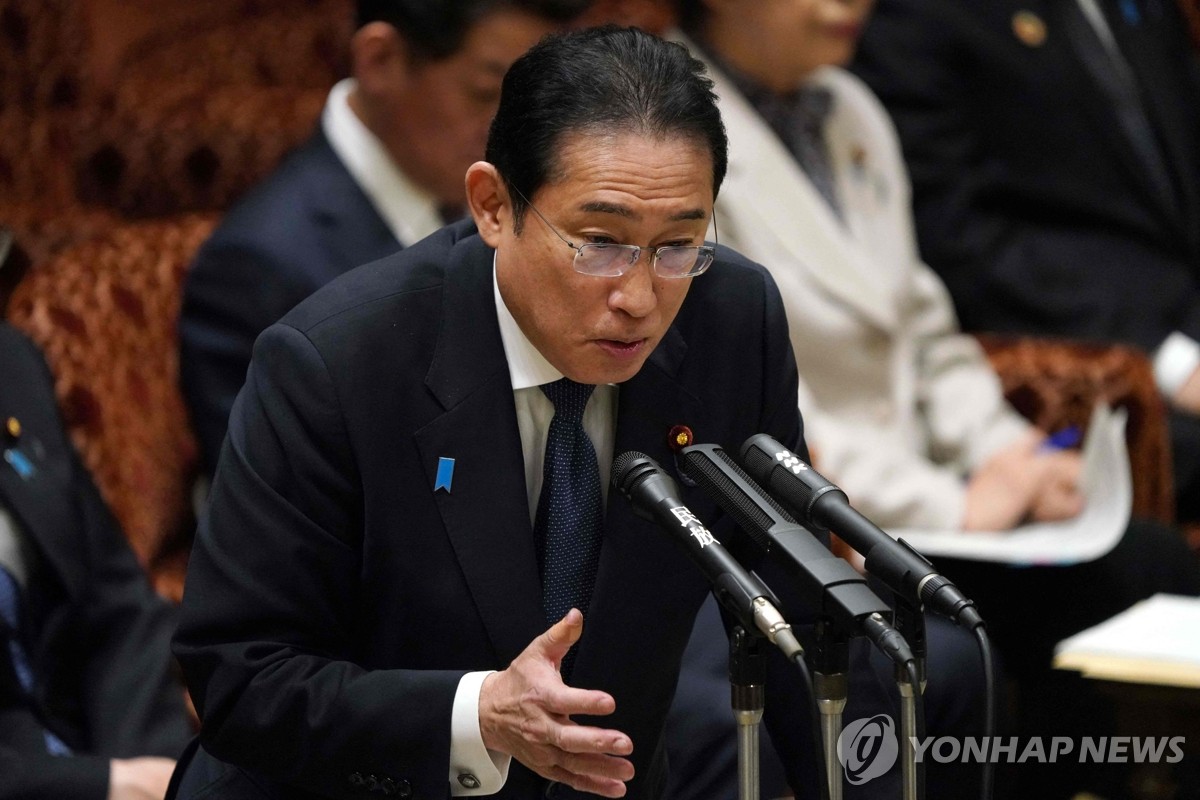 북일 정상회담에 대해 답변하는 기시다 日 총리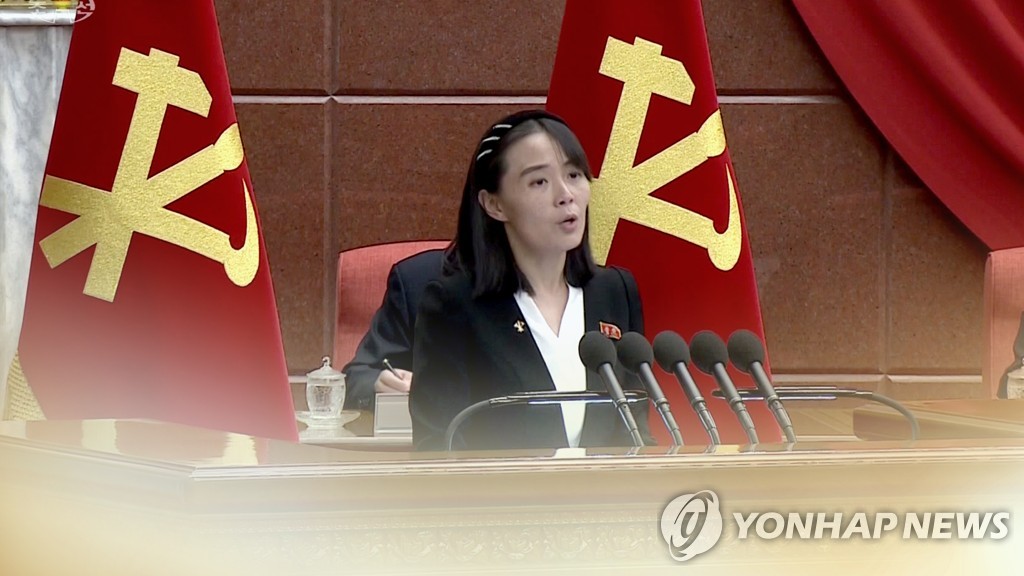


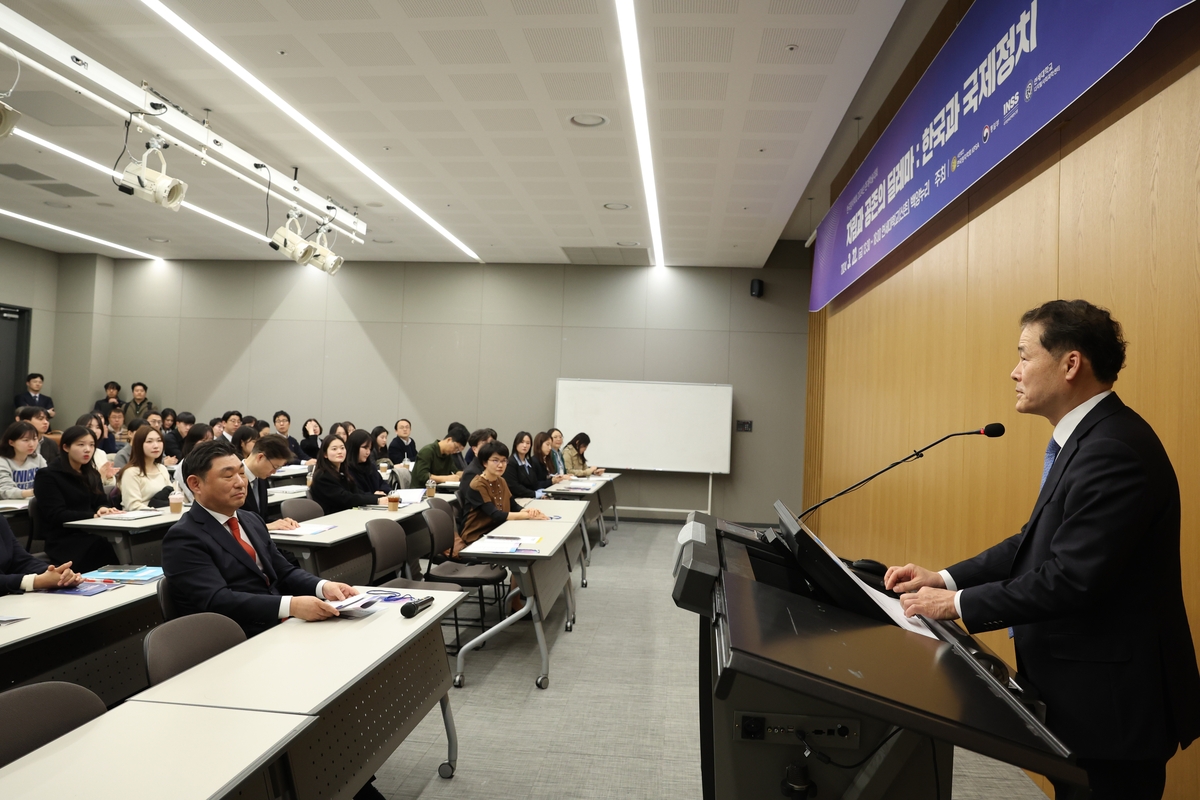 김영호 "새 통일담론 핵심은 자유와 인권의 보편가치"